Portfolio & Lifecycle Strategy
Development Strategy
What Causal Analysis Revealed About Weight Loss and Obesity-Related Disease
For an obesity-related condition with mixed evidence, PhaseV found that the effect on disease flare-ups appears only at very high levels of weight loss. It also separated a drug’s benefit from weight loss from its direct physiological effect, informing asset strategy and trial design.
At a glance
Obesity Weight-Loss Thresholds
Insight
Meaning
Threshold effect
Benefit on exacerbations appears only at very high weight loss
Direct vs. indirect effect
Weight-loss-driven benefit separated from the drug’s direct effect
01
The challenge
Weight-loss drugs are being tested in related conditions, but results are mixed. If benefit rises steadily with weight loss, any weight loss helps. If not, a drug that loses too little weight may fail in a trial.
02
What we did
- Found the threshold. Analysis showed a pronounced non-linearity, with significant effects on disease exacerbation only at very high levels of weight loss.
- Separated the effects. Using real-world data, PhaseV split each treatment’s effect into the part from weight loss and the part from direct physiology.
03
The results
- Clear implications for asset strategy and trial design
- Robust identification of novel mechanisms and modalities for future development
Why it matters
What it changes, team by team.
- Executives: Know whether an asset can clear the bar before investing.
- Clinical development: Set trial goals around the weight loss required.
- Scientists: Find drugs that work beyond weight loss.
FAQ
Questions, answered.
Why does the direct vs. indirect split matter?
Drugs that act beyond weight loss may work in patients who lose little weight.
What is a threshold (non-linear) effect?
Benefit that appears only past a certain level, not gradually.
Source
More case studies
All case studies →
How Smarter Site Selection Saved a Phase 3 Lung Cancer Trial 9 Months and $30M
A Phase 3 lung cancer trial was set to miss its 24-month goal. Smarter sites and design cut 9 months, 33 sites and 95 patients.
$30Mestimated cost saved
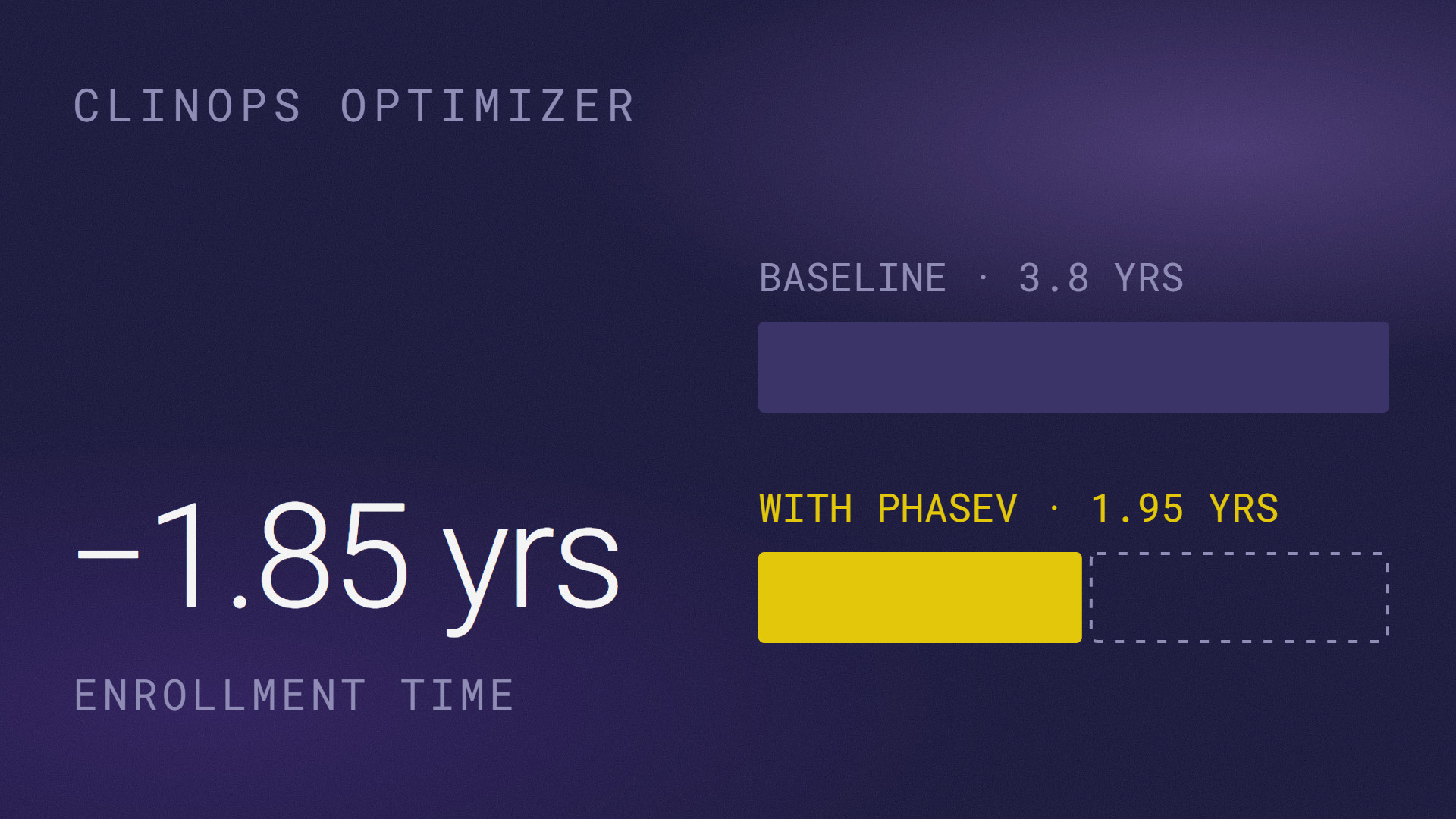
How Causal ML Site Selection Nearly Halved Enrollment Time in Two Global COPD Trials
Two global Phase 3 COPD trials faced up to 3.8 years of enrollment. A causal ML site list cut the estimate to 1.95 years with 25 fewer sites.
1.95years to enroll, down from 3.8
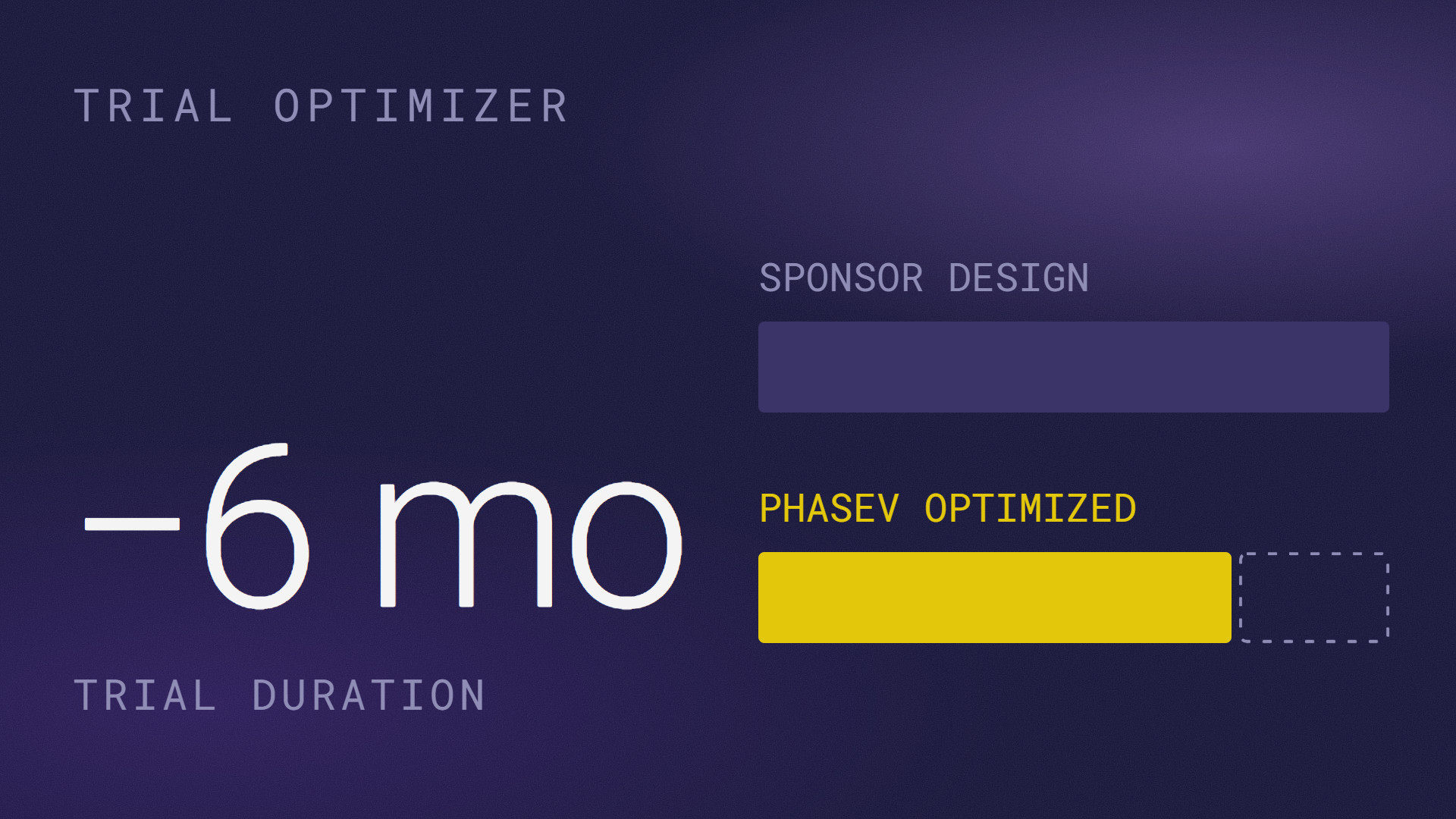
How AI-Optimized Adaptive Design Cut a Phase 3 Infectious Disease Trial by 6 Months
Simulating millions of designs found a Phase 3 adaptive trial that is 25% shorter with 9% fewer patients, saving $6.05M at about 90% power.
25%shorter trial
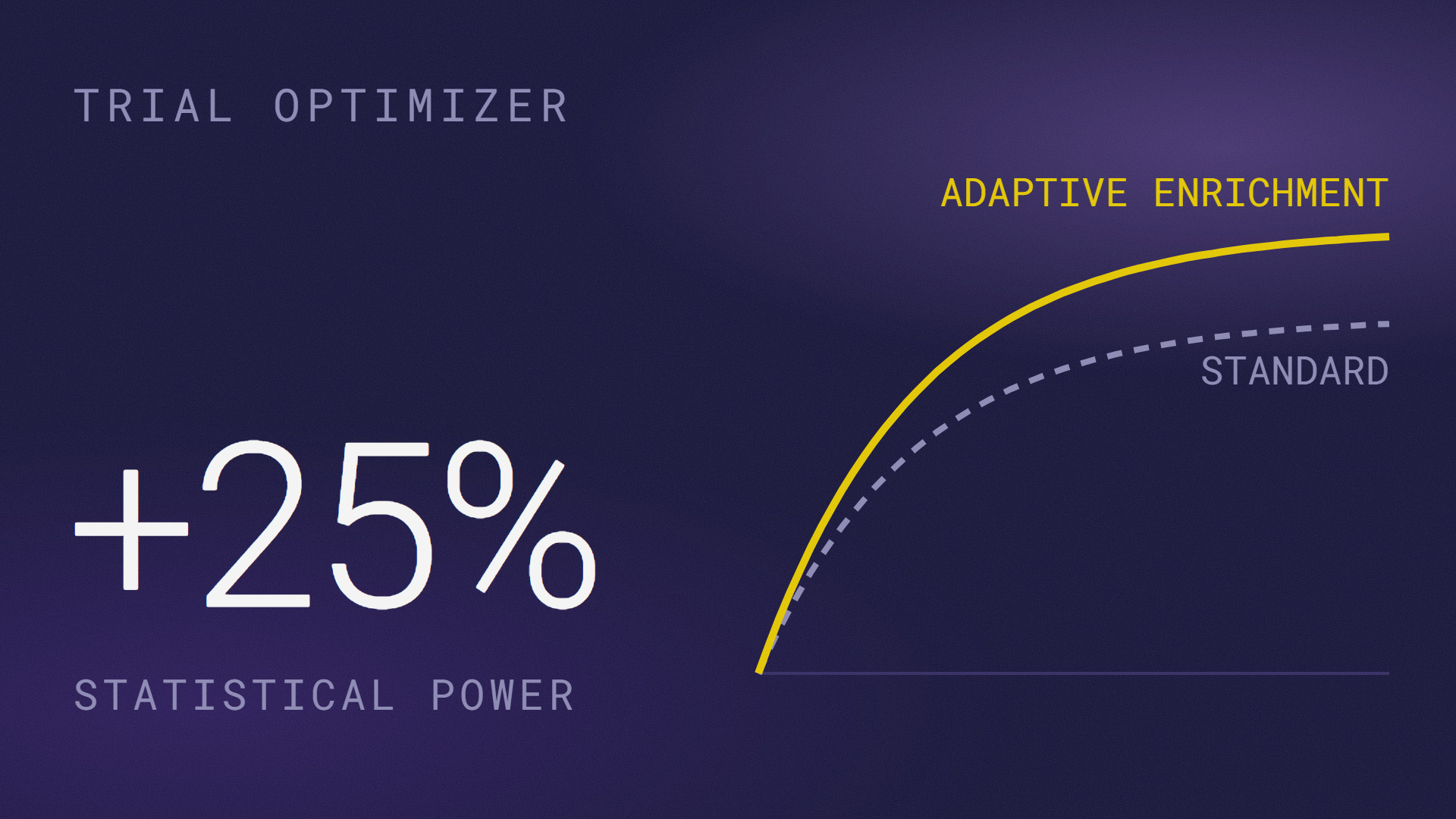
How Adaptive Enrichment Gave a Phase 2 Rheumatic Disease Trial 25% More Statistical Power
Simulation designed a Phase 2 rheumatic disease trial that focuses enrollment on likely responders, with a 25% gain in statistical power.
25%more statistical power