Rescuing a Failed Phase III Trial: Finding the Patients Who Respond to Oral Insulin
Phase III Oral Insulin, Type 2 Diabetes
The challenge
When a Phase III trial misses its main goal, the whole program is at risk. Oramed’s oral insulin candidate did not reduce A1C (a measure of long-term blood sugar) more than placebo after 26 weeks. But an average result can hide the fact that some patients respond well and others don’t. Without knowing who might benefit, Oramed had no clear path forward.
What we did
PhaseV applied its Response Optimizer pipeline, which uses causal machine learning to study how treatment effects differ from patient to patient (known as heterogeneity of treatment effect, or HTE).
- Analyzed the Phase III data to find patient subgroups with a stronger response.
- Added Phase II data and validated the findings against multiple external Phase III studies.
- Guarded against false discoveries. Rigorous sensitivity testing and false discovery analysis helped ensure the patterns were real and not chance findings.
The results
- Subgroups characterized by BMI, baseline HbA1c and age responded significantly to oral insulin
- Based on this analysis, Oramed re-initiated a Phase III trial of its oral insulin candidate in the U.S. under an amended protocol
What it changes, team by team.
- Executives and investors: A missed endpoint doesn’t have to end a program. Existing data can show where the value is.
- Clinical development: A more targeted trial, enrolling the patients most likely to benefit.
- Biostatisticians: Subgroup findings stress-tested with external validation and false discovery controls.
- Patients: A path to testing a therapy in the people it is most likely to help.
Questions, answered.
Can a failed Phase III trial be rescued?
Sometimes. If the drug works well in some patients but not others, the average can mask it. Causal machine learning can find those patients, and a new trial can then target them.
How do you know the subgroups aren’t a statistical fluke?
Findings were validated against Phase II data and several external Phase III studies, and tested with sensitivity and false discovery analyses.
What is heterogeneity of treatment effect (HTE)?
The idea that the same treatment helps different patients by different amounts.
Related publication: “Machine Learning-Based Optimization of Patient Eligibility for Oral Insulin Treatment: A Post Hoc Analysis of Phase III Trial Results,” Diabetes.
More case studies
All case studies →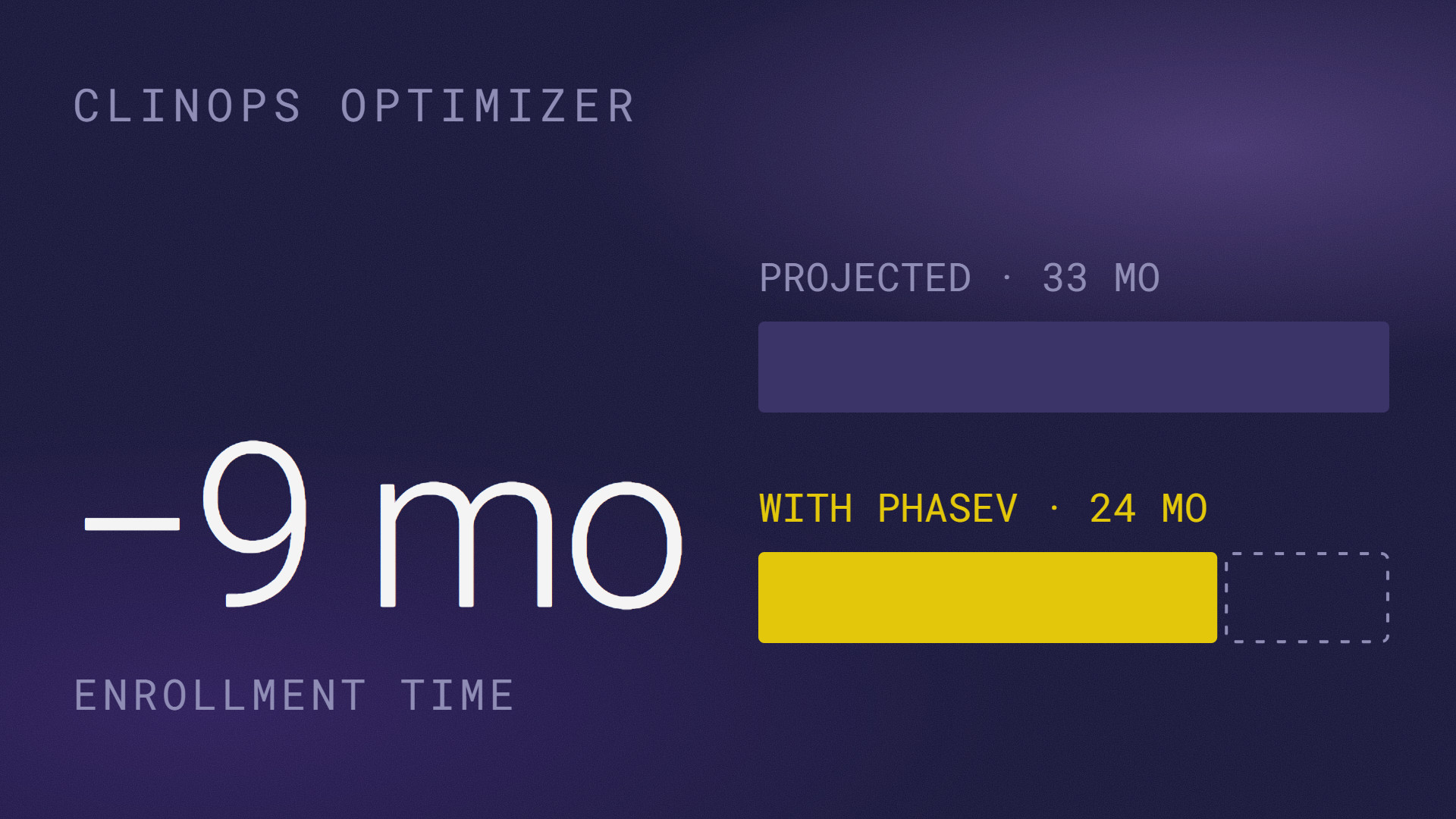
How Smarter Site Selection Saved a Phase 3 Lung Cancer Trial 9 Months and $30M
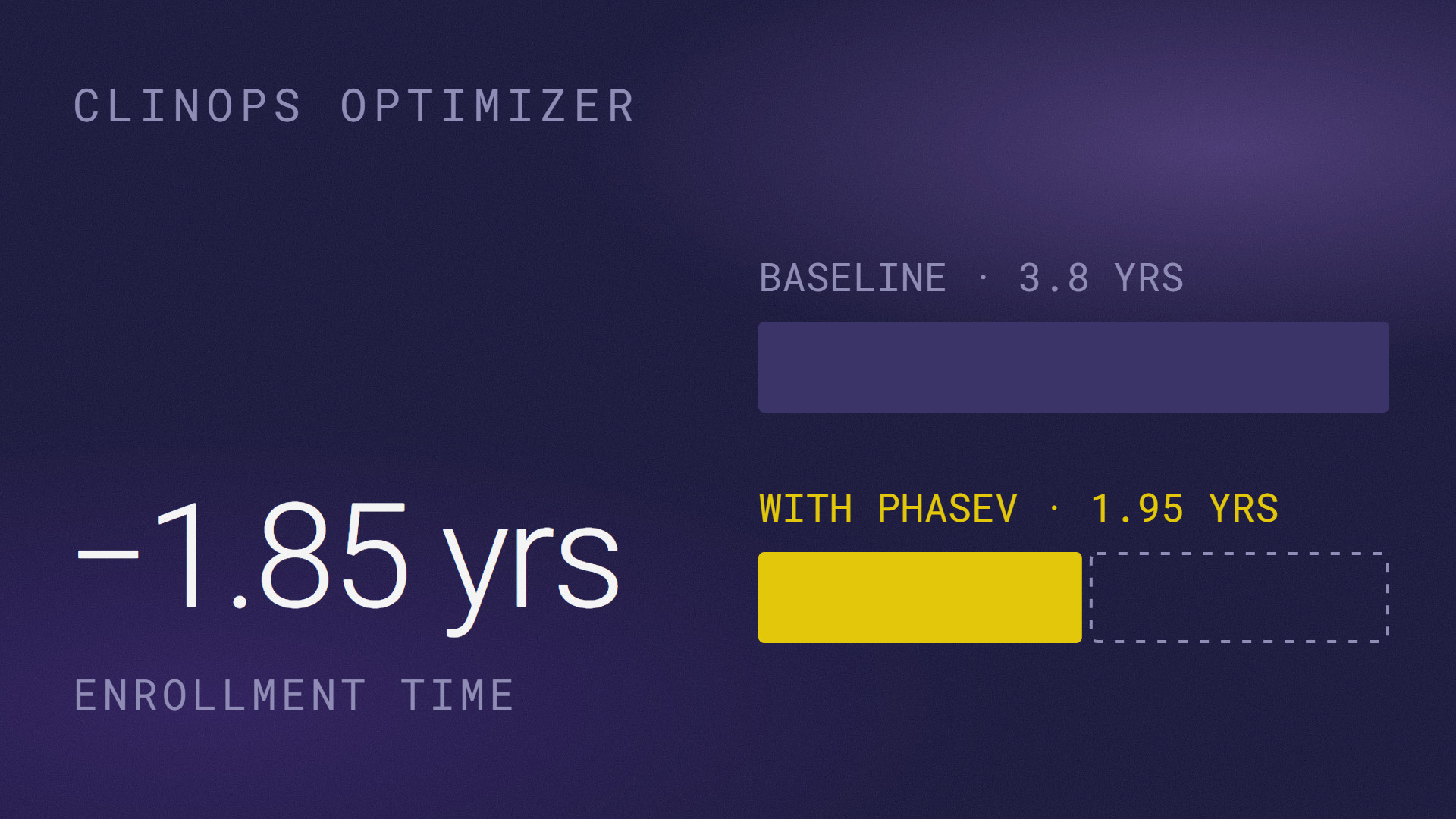
How Causal ML Site Selection Nearly Halved Enrollment Time in Two Global COPD Trials
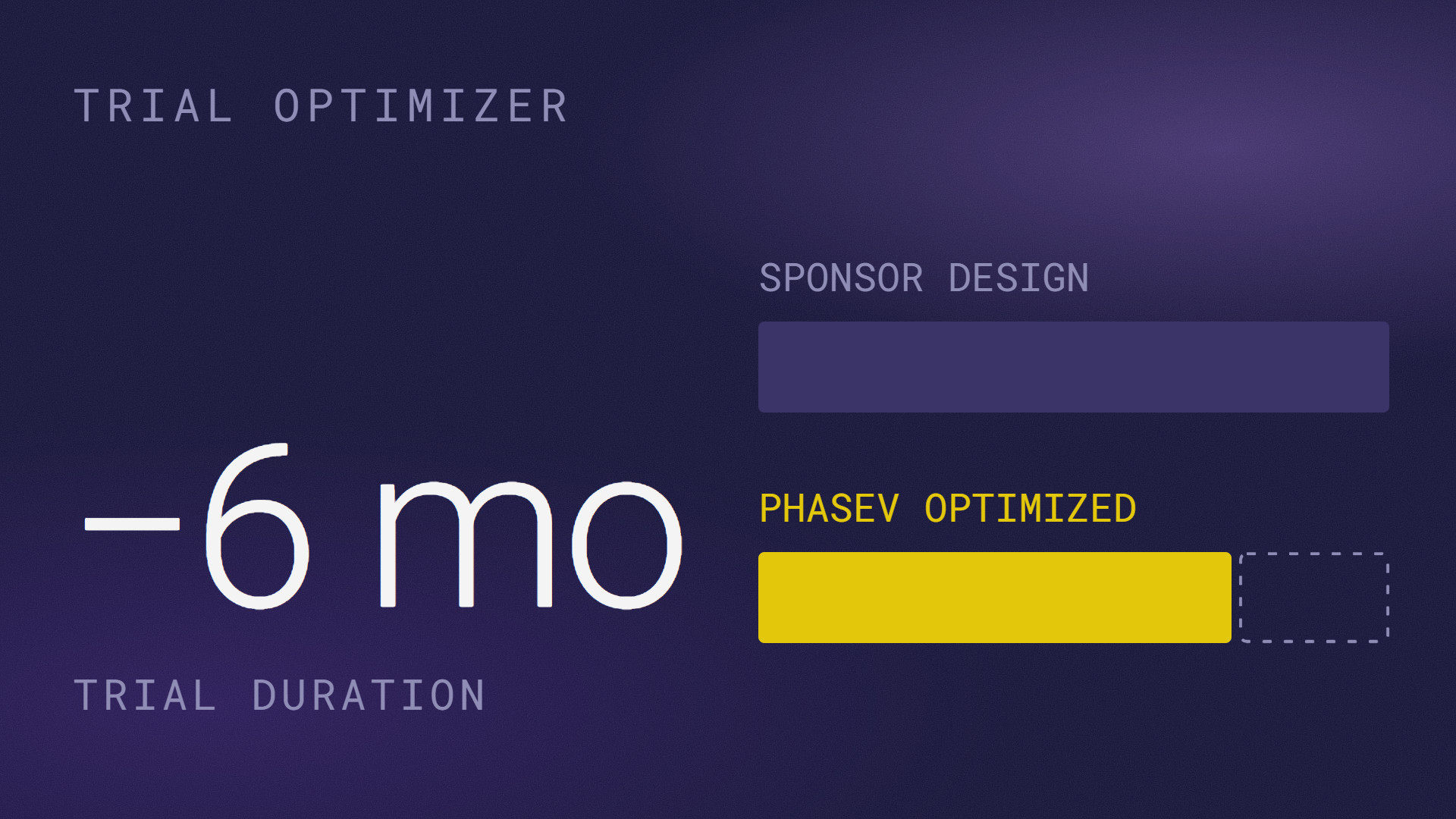
How AI-Optimized Adaptive Design Cut a Phase 3 Infectious Disease Trial by 6 Months