Causal models can extend what we learn from trials
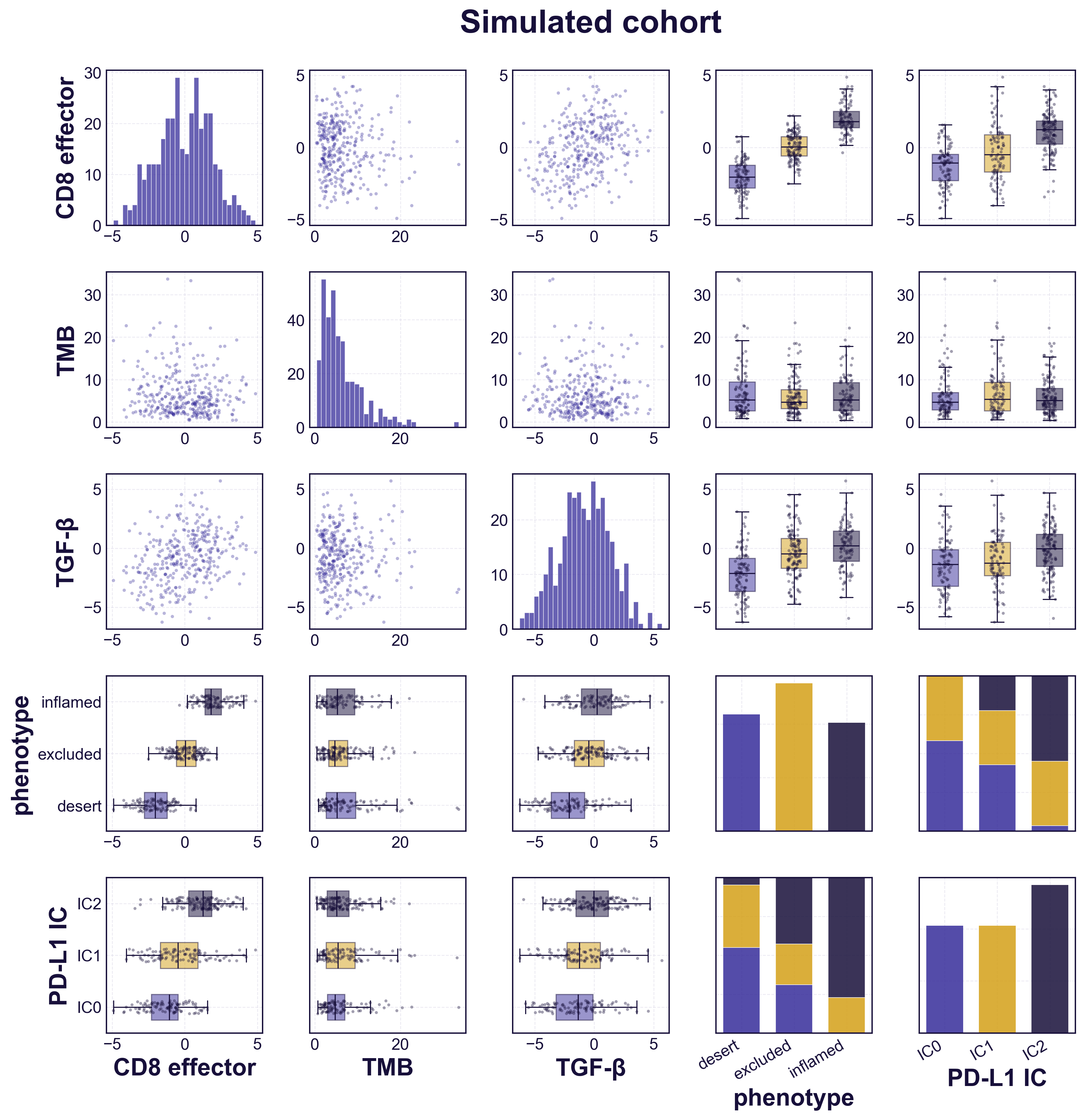
Oncology Phase 2 studies are often small, split across biomarker-defined subgroups, and frequently single-arm, leaving a fragmented view of disease biology and treatment response. To make sense of that fragmentation, we need a way to connect patient measurements, biological mechanisms, treatment, and outcomes. Causal models provide a framework for connecting data to biological mechanisms and exploring why patients respond differently, how outcomes vary across cohorts, and what might happen under alternative biological or treatment conditions. That missing layer can fundamentally change how the results are interpreted.
.png)